What Causes It
- Forward head posture from screen and phone use
- Restricted thoracic spine mobility
- Weak deep neck stabilizing muscles
- Whiplash or other acute trauma
- Sleeping position and pillow support
- Sustained desk or driving posture
Neck pain in Queen Creek
Neck pain is rarely isolated to the neck.
The cervical spine is the top of a chain that runs through the upper back, shoulders, and into the arms — and dysfunction anywhere in that chain places excessive load on the neck.
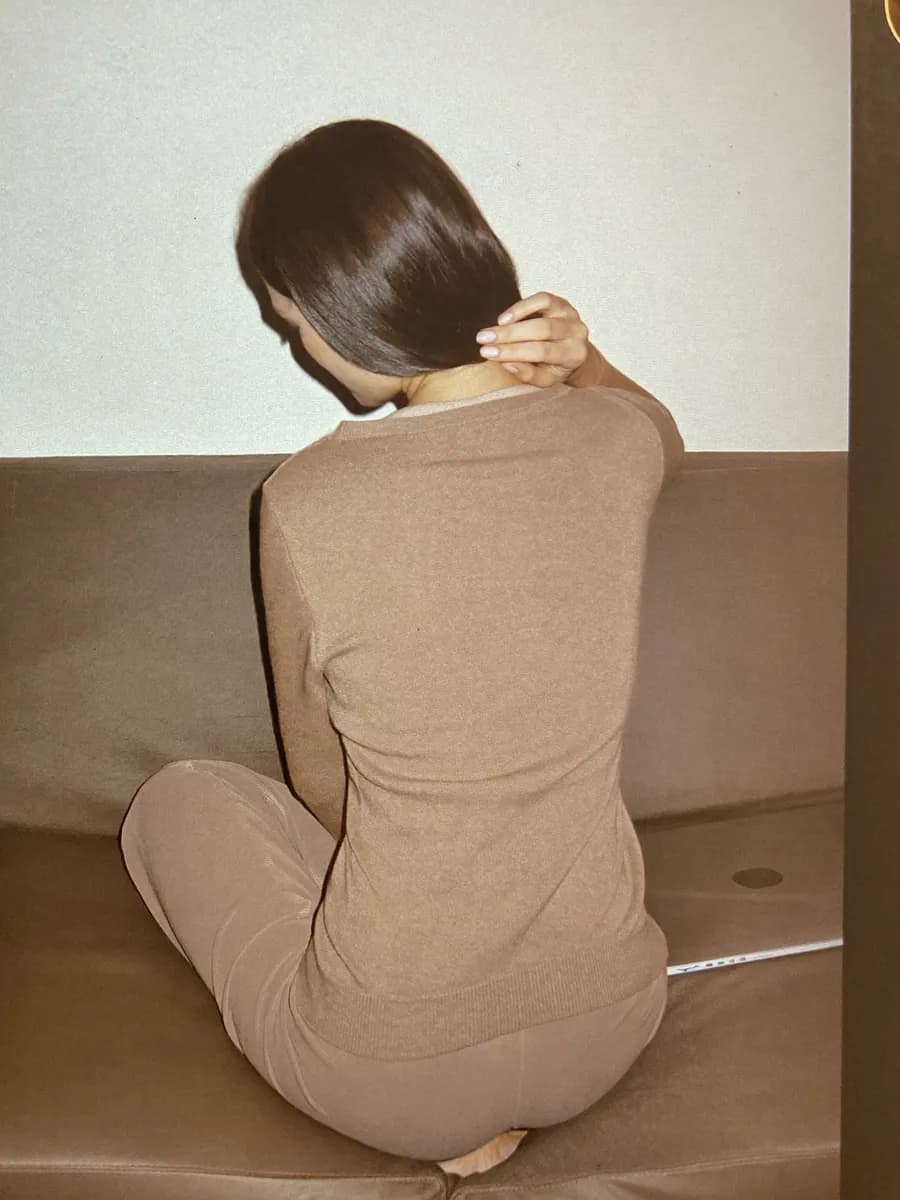
Understanding this condition
Forward head posture, rounded shoulders, and restricted thoracic mobility are among the most common contributors we see, and they are driven largely by how modern life is lived: prolonged sitting, screen time, and repetitive postures that accumulate over years — repetitions your body is training whether you notice them or not.
Causes, symptoms, and care
We assess the neck, upper back, and shoulder girdle as one connected system — checking cervical and thoracic joint mobility, screening for nerve involvement into the arms, and evaluating posture and movement habits that may be driving the pattern.
We treat the full region together, because a neck problem sourced in the thoracic spine or shoulders won't resolve by treating the neck alone.
Most patients notice improved range of motion and reduced tension within the first few visits. Lasting change takes longer, since it requires retraining postural habits that took years to establish.
This is what produces lasting results rather than temporary relief — most cases respond very well to conservative care once the whole chain, not just the sore link, gets treated.
A neck that's strong and mobile through its full range handles the demands of daily life without complaint. That's the target — not just quiet in the moment, but genuinely capable.
Safety first
Do not schedule routine care for suspected spinal injury, inability to move an arm or leg, severe new weakness, trouble breathing or swallowing, or a stiff neck with fever and severe headache. Use emergency medical care.
Related care paths
Request an appointment online, or call (480) 788-3424 to speak with the office.
FAQ
Clear answers about visits, services, and what to expect from care at Complete Rehab QC.