Care in Queen Creek

A Clear Next Step After an Auto or Personal Injury

After a car accident or personal injury, the decisions you make in the first days and weeks have a lasting impact on your recovery — and on your case.

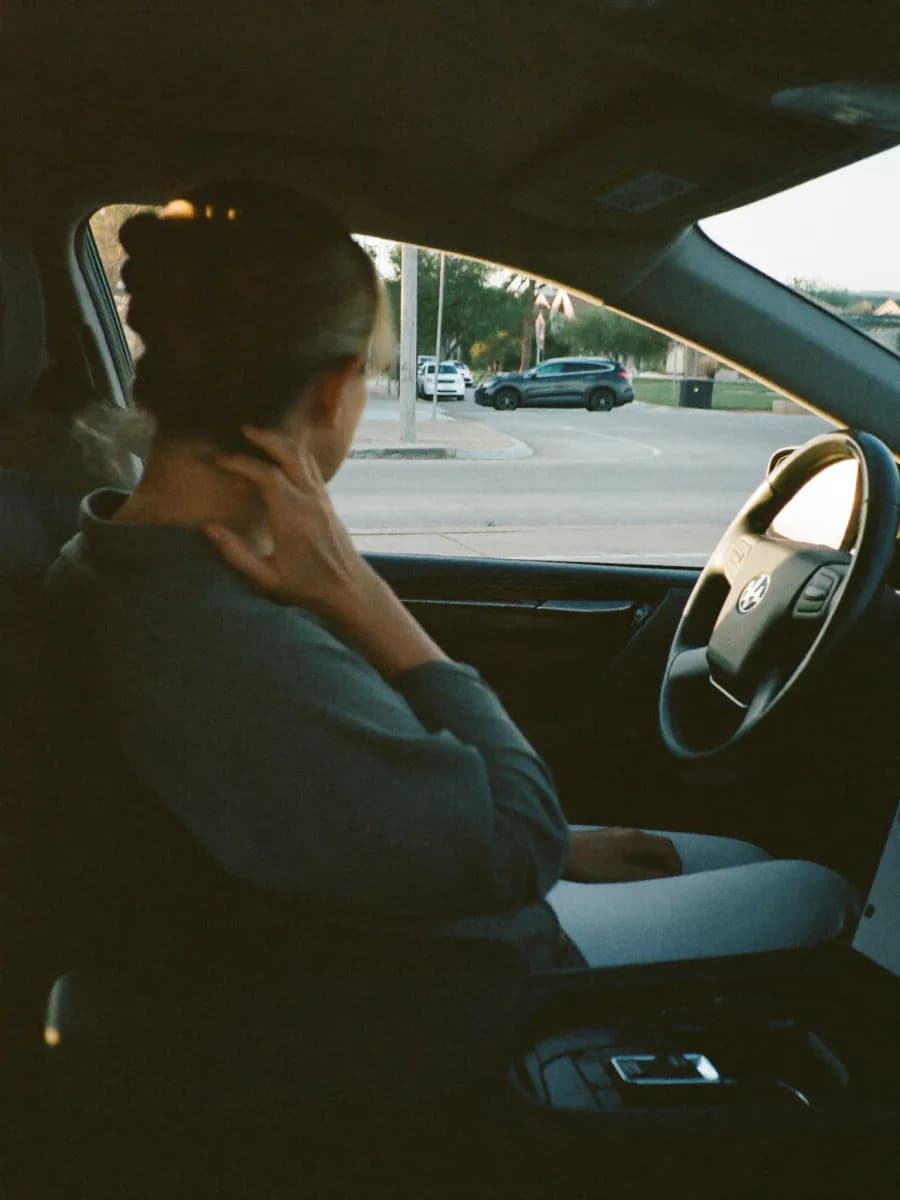
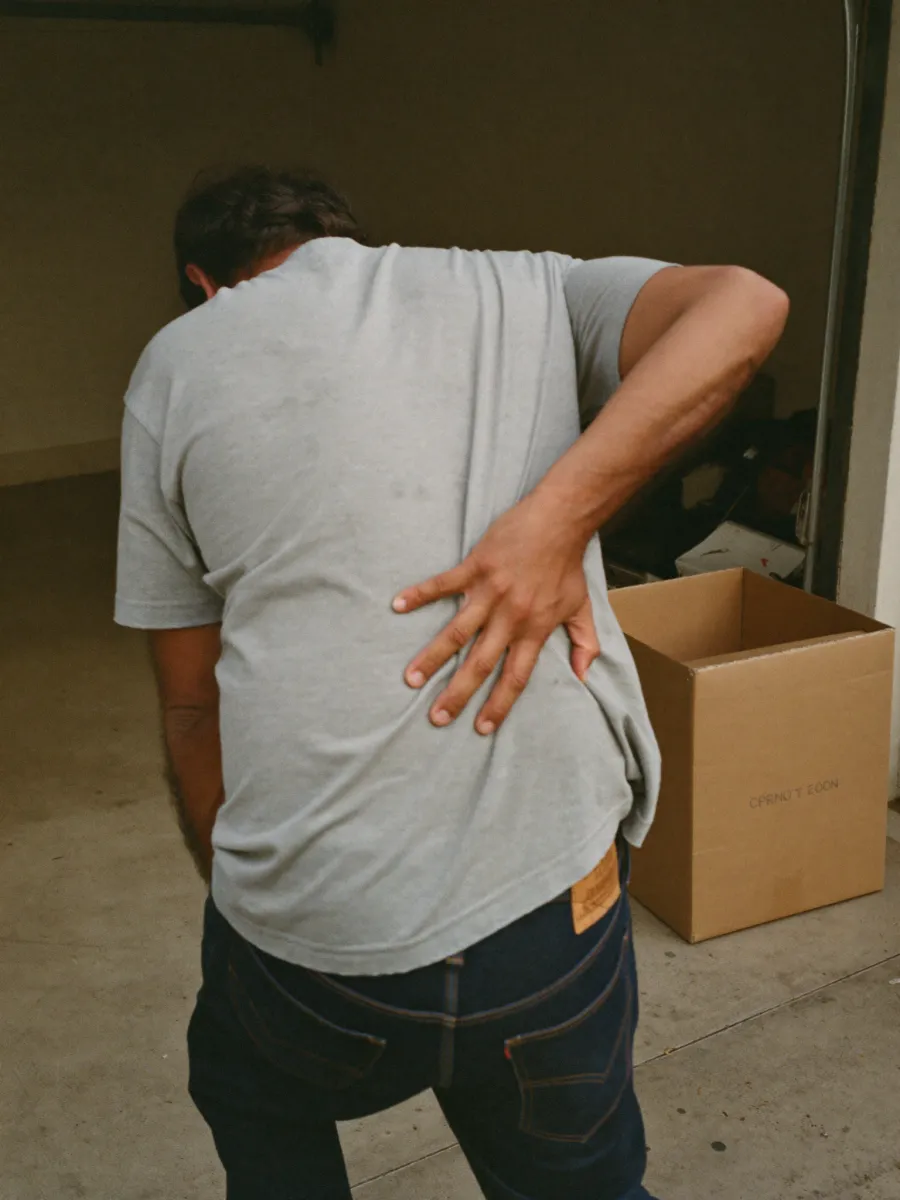
Pain and injury from trauma do not always show up immediately, and soft tissue injuries in particular often worsen over the 24 to 72 hours that follow. Seek emergency care first for urgent or severe symptoms.

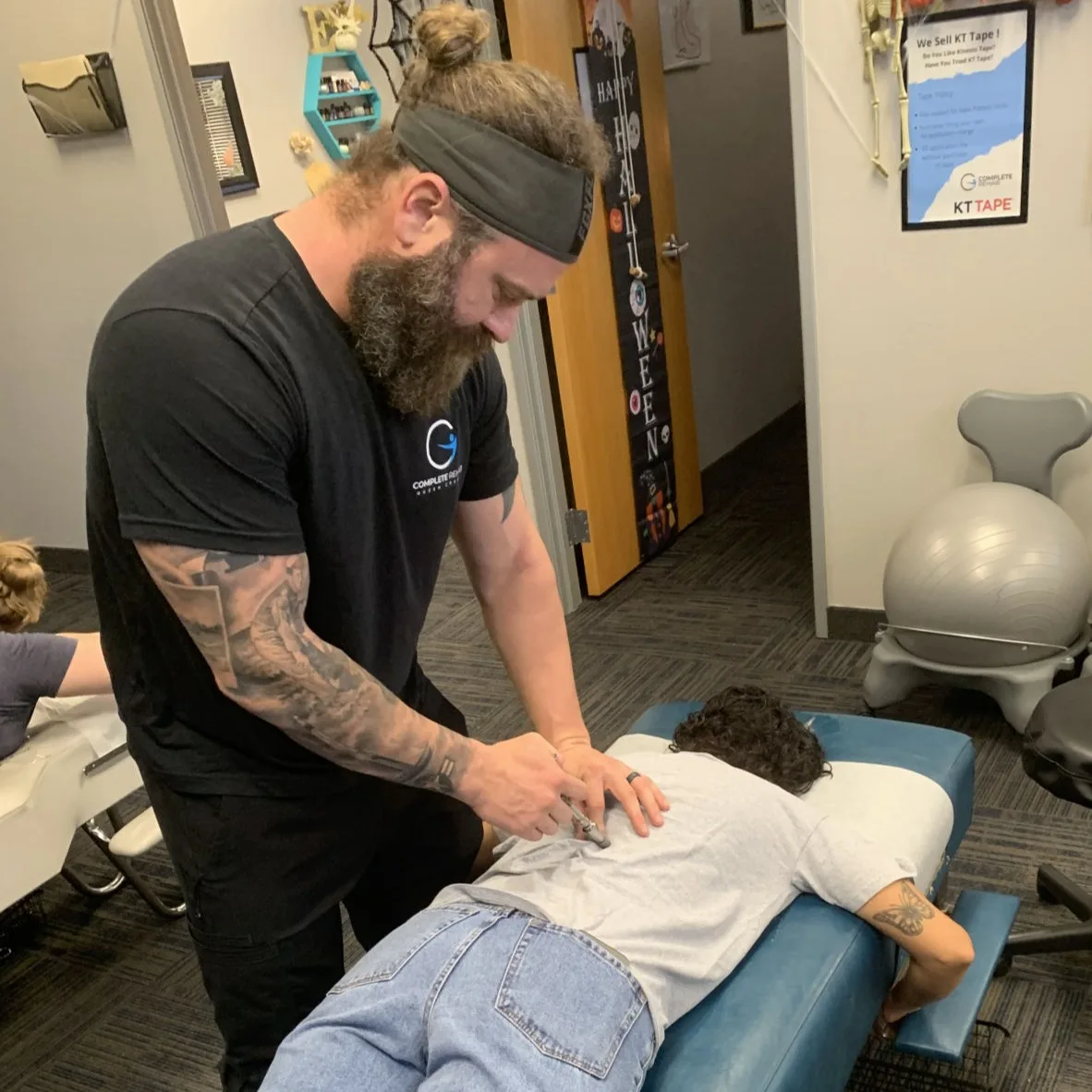
A clinician evaluates and provides hands-on care during a personal-injury visit.

Understand the service

The First 72 Hours Matter More Than You Think.

  1. 01

    Why Waiting Makes It Harder

    Adrenaline and the body's acute stress response mask symptoms in the moments after a crash, and soft tissue injuries often worsen well after you've already left the scene, the ER, or urgent care.

    Waiting to see if it "gets better on its own" is one of the most common reasons a straightforward injury turns into a complicated one — both clinically and, if you're working with an attorney, in terms of how well your injuries end up documented.

  2. 02

    Why an Early Evaluation With Us Matters

    Emergency rooms and urgent care are built to rule out life-threatening injury — broken bones, internal bleeding, head trauma requiring imaging. They are not built to evaluate the soft tissue, joint, and nervous system injuries that make up the majority of what a car accident actually produces, and they are rarely equipped to begin the kind of rehabilitation that determines how fully you recover.

    Coming in for a thorough evaluation early allows us to document your injuries accurately, begin care before compensation patterns set in, and build the foundation for a full recovery — not just a cleared scan.

  3. 03

    Signs and Symptoms

    Accident injuries can take a day or two to show up. Watch for:

    • Neck, back, or shoulder pain that may not appear until a day or two after the accident
    • Headaches, dizziness, or difficulty concentrating
    • Numbness or tingling in the arms or legs
    • Stiffness or reduced range of motion in any impacted area
    • Bruising or soreness where a seatbelt or airbag made contact
    • A general sense of being "shaken up" that doesn't fully resolve after a few days
  4. 04

    How We Evaluate You

    We perform a full musculoskeletal exam of the spine, neck, shoulders, hips, and any area of impact or seatbelt/airbag contact, along with neurological screening for signs of concussion or nerve involvement. We document baseline range of motion, pain patterns, and function in detail — the record your case may eventually depend on — and build a treatment plan around your specific injuries rather than a generic accident protocol.

  5. 05

    How We Work With Your Case

    We work with personal injury cases regularly and understand both the clinical and documentation requirements involved.

    • Thorough, consistent visit-by-visit documentation that supports your case as well as your care
    • Chiropractic care, soft tissue therapy, movement rehabilitation, and joint work integrated into one plan
    • Coordination across multiple injured regions at once, since accident injuries rarely occur in isolation
    • Direct communication with your attorney's office when needed to keep your case moving
  6. 06

    What to Expect

    Most patients are seen initially within the first week of an accident and begin a structured treatment plan immediately, with visit frequency tapering as function improves over the following weeks to months depending on injury severity.

    Do not wait for the pain to become severe before seeking care, and do not assume that because nothing showed up on an ER scan, nothing was injured. The soft tissue, joints, and nervous system are where most accident injuries actually live — and where healing has to start before it can ever turn into something more durable than "back to normal."

    Our complete program — chiropractic care, soft tissue therapy, movement rehabilitation, and joint work — is well suited to the complex, overlapping injuries that trauma produces, where two or three regions are often injured at once and none of them exist in isolation from the others.

Need Help Choosing the Right Next Step?

Use Contact for a general question or call the office. Do not send sensitive medical information.

Clear answers

FAQ

Frequently Asked Questions

Clear answers about visits, services, and what to expect from care at Complete Rehab QC.

Request an Injury Evaluation

Request an appointment online, or call (480) 788-3424 to speak with the office.

CallRequest an Appointment