Care in Queen Creek
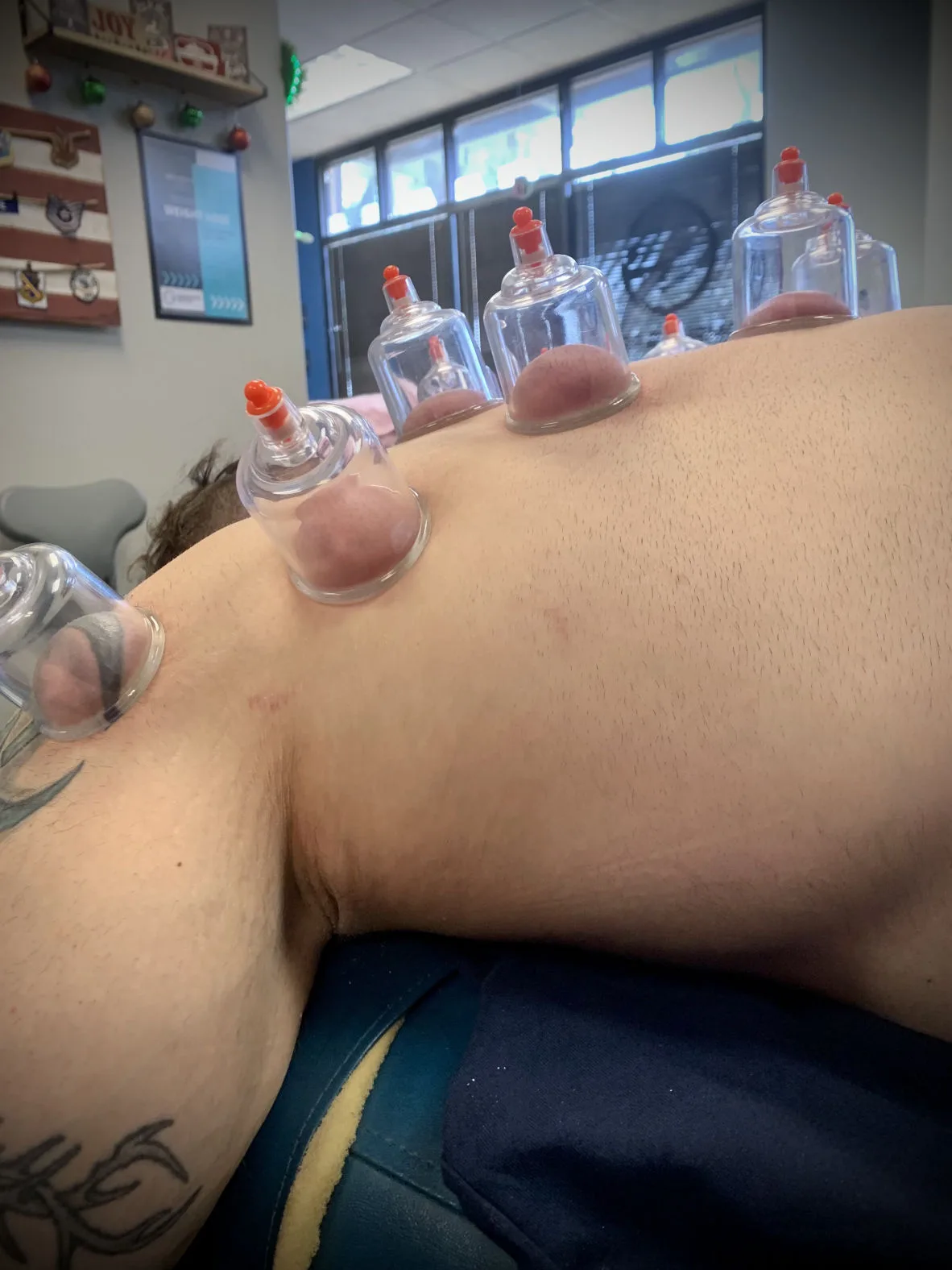
Scraping, Cupping, Taping, and Dry Needling
Complete Rehab QC offers scraping, cupping, taping, and dry needling as soft-tissue or movement-support options.
Each method is different, and none is automatically appropriate for a symptom. A provider should explain the purpose, expected sensation, risks, alternatives, and consent process before use.
- 4.9 on Google · 147 reviews
- Queen Creek, Arizona
Understand the service
The Tissue Quality Problem Most Treatment Never Gets To.
- 01
How Soft Tissue Therapy Works
Muscles, fascia, and connective tissue don't just get tight — they get dense, restricted, and disorganized in response to injury, overuse, and prolonged poor movement patterns. That tissue quality problem is often what keeps a joint from moving fully even after the joint itself has been adjusted, and it's frequently the missing piece when treatment plateaus.
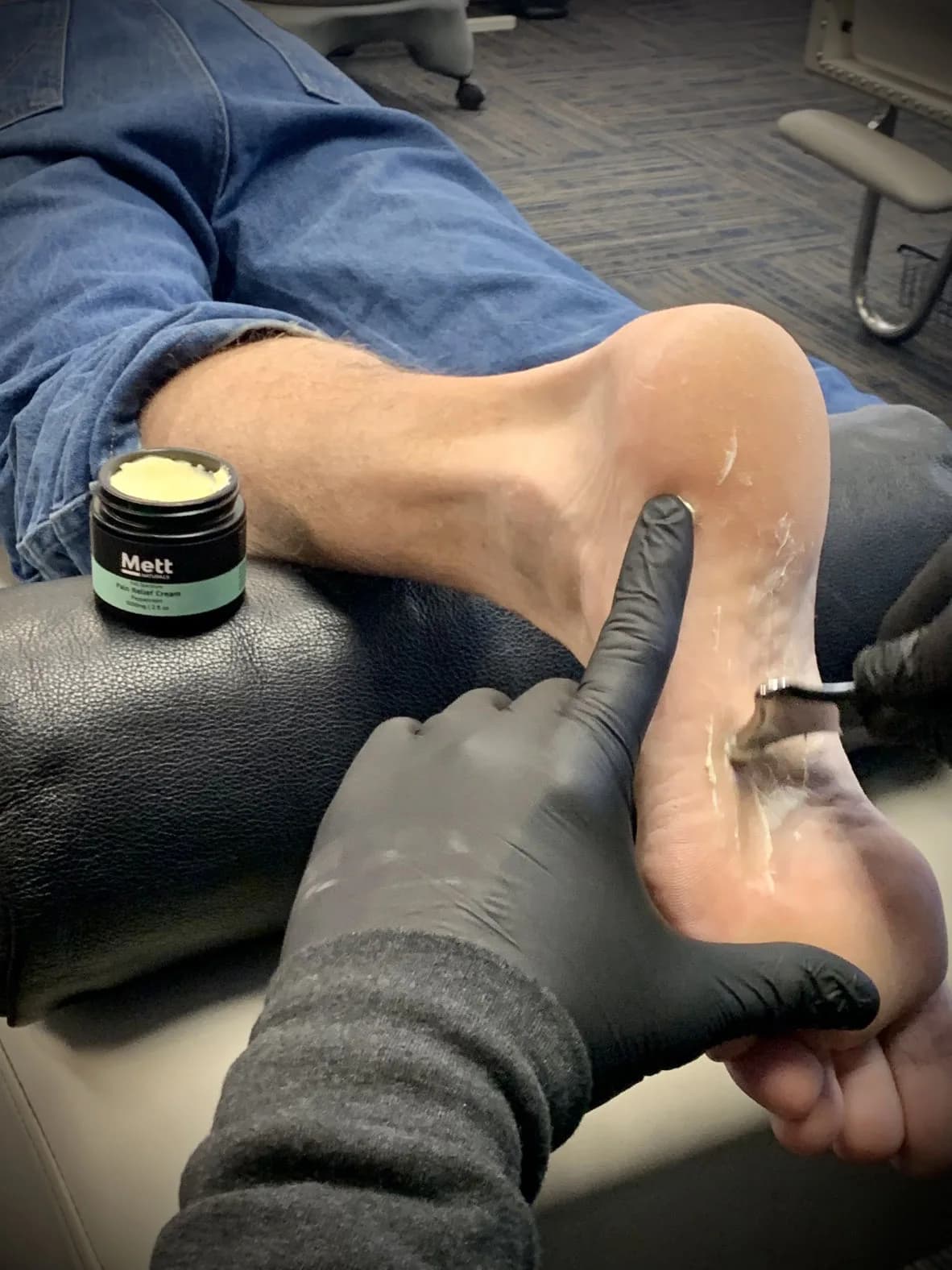
Soft tissue therapy uses hands-on techniques — including instrument-assisted soft tissue mobilization (scraping), myofascial release, and trigger point work — to break up restriction, improve blood flow, and restore the tissue's ability to lengthen, glide, and load normally. This isn't a relaxation technique. It's targeted, specific work aimed at the exact restriction that's limiting your recovery, whether that's scar tissue from an old injury, a trigger point that keeps referring pain elsewhere, or fascia that's lost its normal mobility from months of compensation.
- 02
What Soft Tissue Therapy Treats
Soft tissue therapy is effective for a wide range of muscular and connective tissue issues, including:
- Muscle tension, spasm, and trigger points
- Scar tissue restriction from prior injury or surgery
- Chronic tightness and postural syndromes
- Tendinopathies and overuse injuries
- A foundational component of personal injury and post-surgical recovery
- 03
Dry Needling: A Direct Line Into the Tissue That's Holding the Pattern
Dry needling uses a thin, solid filament needle inserted directly into a trigger point or area of muscular dysfunction — the same needle used in acupuncture, but with a very different purpose. Where soft tissue therapy works on restriction from the outside in, dry needling reaches the exact layer of muscle that's holding tension, often releasing a taut band that hands-on techniques can't fully get to.
The needle triggers a local twitch response — a brief involuntary contraction — that disrupts the dysfunctional muscle pattern, improves blood flow to the area, and resets the chemical environment around the trigger point that's been keeping it irritated.
- 04
What Dry Needling Treats
Dry needling is especially useful for trigger points and muscle tension that have been resistant to other manual therapy, including:
- Chronic muscle tension and trigger points
- Myofascial pain syndrome
- Tension-type headaches
- Low back and hip tightness
- Muscle guarding following injury or surgery
- 05
What to Expect
Soft tissue sessions target the specific restriction identified in your evaluation rather than a generic full-body approach. You may feel some pressure or mild discomfort during more focused work on a restricted area, followed by a noticeable increase in ease of movement. On its own, soft tissue work creates a window — a short stretch of improved mobility. What determines whether that window becomes lasting change is what happens next: whether that improved range gets used, loaded, and reinforced through movement.
With dry needling, you may feel a brief twitch response when the needle reaches an active trigger point, followed by a noticeable release in tension. Mild soreness in the treated area for a day or so afterward is common and typically resolves quickly. Techniques and needle placement are matched to whether your presentation is acute or chronic.
- 06
How It Fits Into Your Plan
Soft tissue therapy is never the whole plan here. It's the step that makes the rest of the plan possible. A trigger point that's been active for months didn't get there overnight, and it usually won't fully resolve from a single technique either. We use dry needling to interrupt a pattern that other treatment hasn't been able to reach — then follow it with the movement and loading work that keeps the muscle from reverting back to the same protective habit once the needle comes out.
- Used ahead of chiropractic adjustments to prepare restricted tissue
- Paired with therapeutic exercise so newly gained range gets reinforced immediately
- A core component of personal injury and post-surgical protocols
- Dry needling for trigger points that don't fully release with manual work alone
- Integrated with your broader chiropractic and rehabilitation plan, not used in isolation
Tissue restriction rarely stays where it starts. A tight hip flexor shows up as low back pain. A restricted shoulder capsule shows up as neck tension. We treat the tissue in front of us, but we're always looking at the chain it's part of — because that's where the restriction actually came from, and where it will come back from if we only treat the spot that hurts.
Ready to Talk About Your Next Step?
Request an appointment online, or call (480) 788-3424 to speak with the office.
FAQ
Frequently Asked Questions
Clear answers about visits, services, and what to expect from care at Complete Rehab QC.