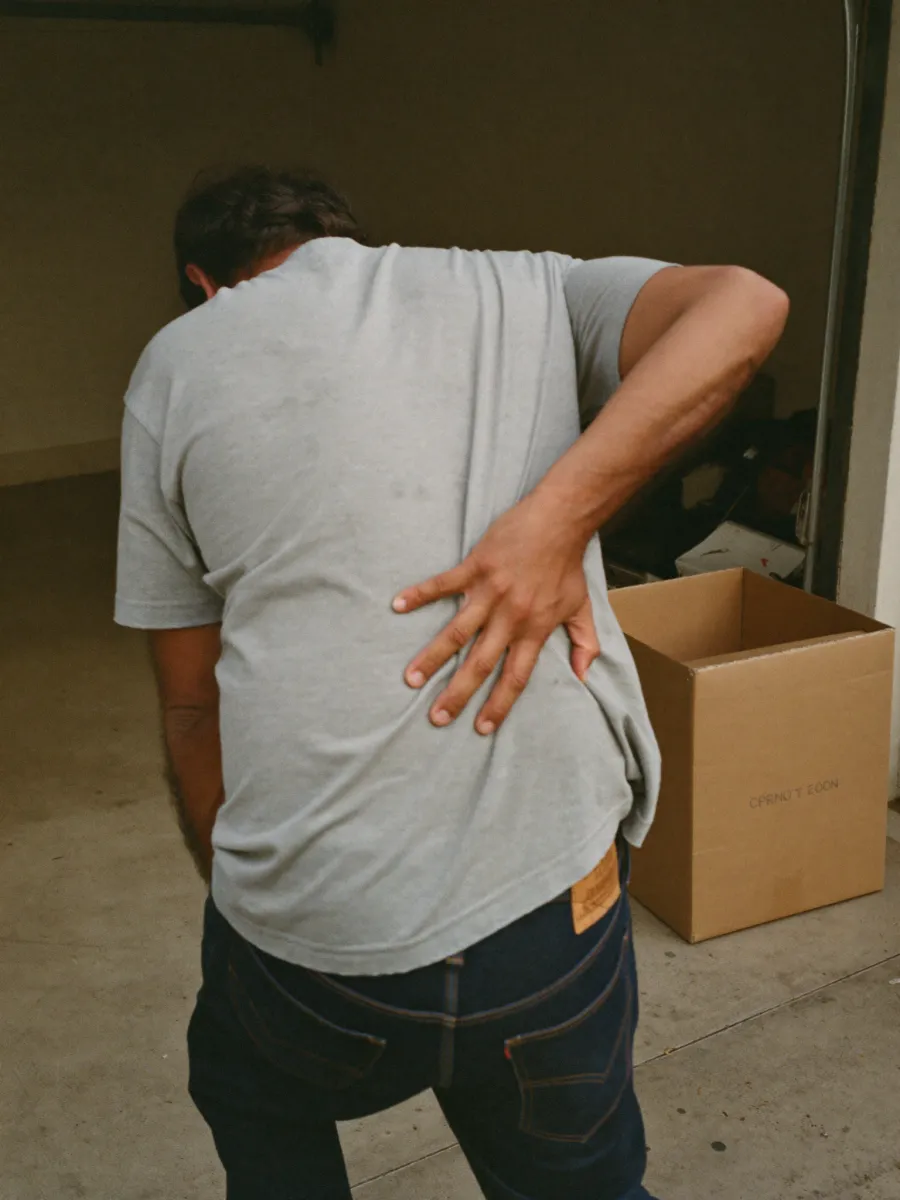
Accident injury care in Queen Creek

Disc Injury

Most disc injuries we see outside of an accident develop gradually — years of compensation and load finally catching up with a disc.

A disc injury from a car accident is different. It’s an acute, high-force event: the spine gets compressed, twisted, or whipped through a range of motion it wasn’t prepared for, all in a fraction of a second. A disc that was healthy the day before a collision can bulge or herniate from that single event.

Understanding this injury

Sudden Force, Not Gradual Wear — A Different Injury Than the One Imaging Reports Usually Describe.

Why This Complicates the Picture

Disc injuries from trauma often overlap with soft tissue and joint injury in the same region, which means the pain pattern can be confusing at first — is it the disc, the surrounding muscle guarding, or the joint restriction above and below it? Getting this right matters, both for treatment and for accurately documenting what actually happened to your spine in the accident.

Signs & Symptoms

  • Localized back or neck pain at the level of the injured disc
  • Radiating pain, numbness, or tingling if a nerve root is involved
  • Pain that’s noticeably worse with sitting or bending forward
  • Muscle spasm surrounding the affected level
  • Symptoms that may worsen over the days following the accident as inflammation builds

How We Diagnose It

We conduct a thorough evaluation to distinguish the disc’s contribution from surrounding soft tissue and joint involvement, and coordinate with imaging and further medical evaluation when the clinical picture suggests a more significant disc injury.

Our Approach

Most acute disc injuries from trauma respond well to conservative care when it starts early and is thorough enough to address the whole injury, not just the disc finding on the MRI.

  • Spinal decompression to reduce pressure on the affected disc
  • Progressive core and spinal stabilization to protect the disc going forward
  • Coordination with imaging and, when appropriate, referral for further medical evaluation
  • Thorough documentation connecting the specific mechanism of the accident to the disc finding

What to Expect

Acute disc injuries from trauma typically require six to twelve weeks of consistent conservative care, with steady improvement expected as inflammation resolves and spinal support rebuilds.

Waiting, or treating only the most obvious symptom, is how a single-event injury turns into a long-term problem — early, thorough care is what prevents that.

A single-event disc injury deserves the same thoroughness in evaluation as it received in force — getting the full picture right from the start changes the entire recovery trajectory.

After an Accident, Rule Out Serious Injury First

Call 911 or go to the emergency room for severe pain, a head injury, confusion, a worsening headache, repeated vomiting, numbness or weakness, or trouble breathing. Once serious injury has been ruled out, we can evaluate the soft tissue, joint, and nerve injuries an accident often leaves behind.

Request an Injury Evaluation

Request an appointment online, or call (480) 788-3424 to speak with the office.

Clear answers

FAQ

Frequently Asked Questions

Clear answers about visits, services, and what to expect from care at Complete Rehab QC.

CallRequest an Appointment