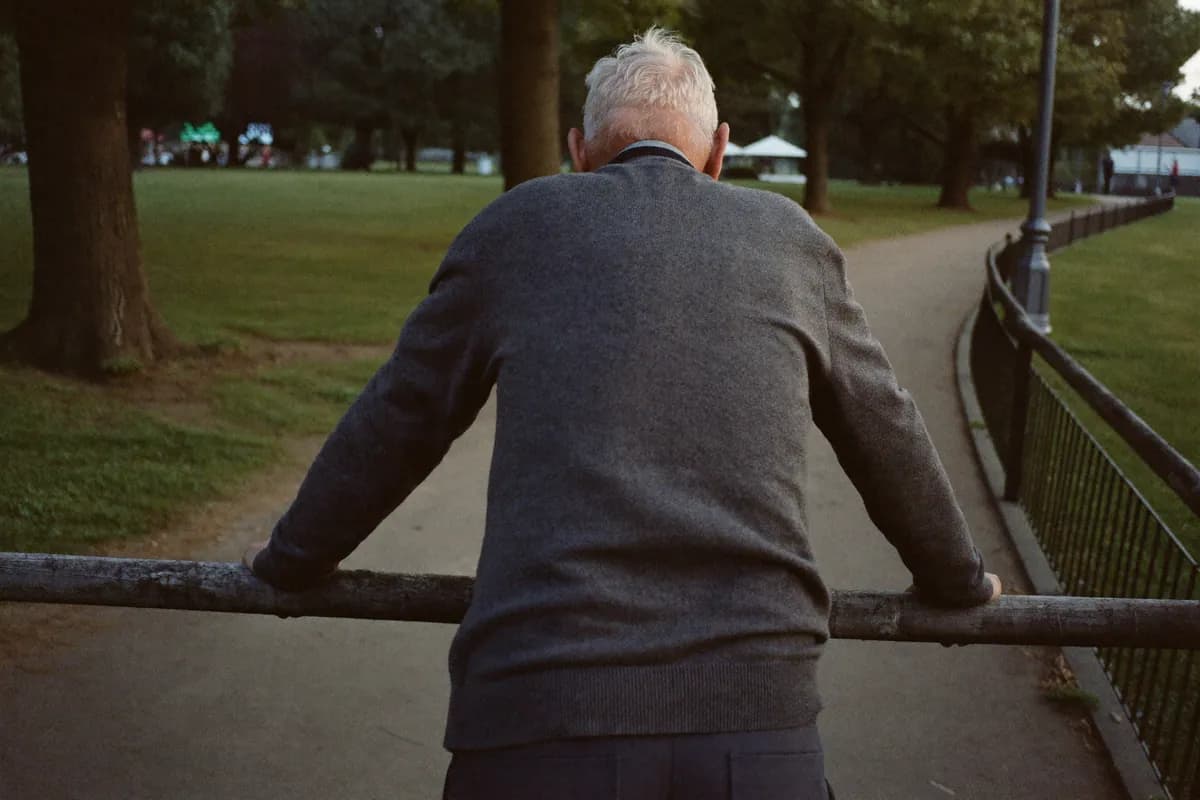
Conditions we treat in Queen Creek

Spinal Stenosis

Spinal stenosis is a narrowing of the spaces within the spine that can put pressure on the nerves running through it, often producing pain, numbness, or weakness that worsens with standing or walking and improves with sitting or bending forward.

Understanding this condition

Narrowing That Responds Better to Movement Than Most People Expect.

Understanding This Condition

While the narrowing itself is a structural finding, the symptoms it produces are heavily influenced by how the spine moves and how well the surrounding muscles support it. A stiff, poorly supported spine tends to produce more nerve irritation than one that moves well and is well-supported through the core and hips.

What Causes It

  • Age-related degenerative changes narrowing the spinal canal
  • Disc bulging contributing to the narrowed space
  • Facet joint enlargement from degeneration
  • Weak core and hip support increasing load on the affected segments
  • Poor posture increasing extension-based nerve compression

Signs & Symptoms

  • Leg pain, numbness, or heaviness that worsens with standing or walking
  • Relief with sitting or bending forward
  • Symptoms that can affect one or both legs
  • Low back stiffness that accompanies the leg symptoms
  • Reduced walking tolerance that gradually improves with rest

How We Diagnose It

We assess which positions and movements relieve versus worsen your symptoms, along with core and hip strength and spinal mobility, to build a plan that reduces nerve irritation while improving your overall tolerance for standing and walking.

Our Treatment Approach

We use decompression to create temporary relief of pressure, paired with mobility work and targeted strengthening to improve how the spine handles daily positions and movement.

  • Decompression to create temporary relief of pressure on the affected nerves
  • Flexion-based mobility work matched to what relieves your specific symptoms
  • Core and hip strengthening to improve how the spine handles daily positions
  • Gait and posture training for standing and walking tolerance

What to Expect

Improvement in walking tolerance and symptom relief typically builds gradually over several weeks to a few months, since stenosis is a structural condition that responds to consistent, progressive management rather than quick fixes.

Many patients with spinal stenosis find significant, lasting relief through conservative care — building the capacity around the narrowed segments so they’re asked to do less of the work on their own.

Stenosis is often framed as a one-way street toward surgery. For many patients, the right conservative program changes that trajectory significantly.

Some Symptoms Need Medical Care First

Seek urgent or emergency care for a severe injury, a suspected fracture or dislocation, sudden weakness or numbness, loss of bladder or bowel control, fever with severe pain, or pain that is rapidly getting worse. Call 911 for an emergency.

Ready to Talk About Your Next Step?

Request an appointment online, or call (480) 788-3424 to speak with the office.

Clear answers

FAQ

Frequently Asked Questions

Clear answers about visits, services, and what to expect from care at Complete Rehab QC.

CallRequest an Appointment