Understanding This Condition
Like other tendon injuries, complete rest often provides only temporary relief — the tendon comes back weaker and the pain returns once normal activity resumes, because the underlying capacity was never rebuilt.
Conditions we treat in Queen Creek
Achilles tendonitis is inflammation and irritation of the tendon connecting the calf muscles to the heel, often developing gradually from an increase in running volume or intensity, tight calf muscles, or biomechanical issues in how the foot and ankle move.
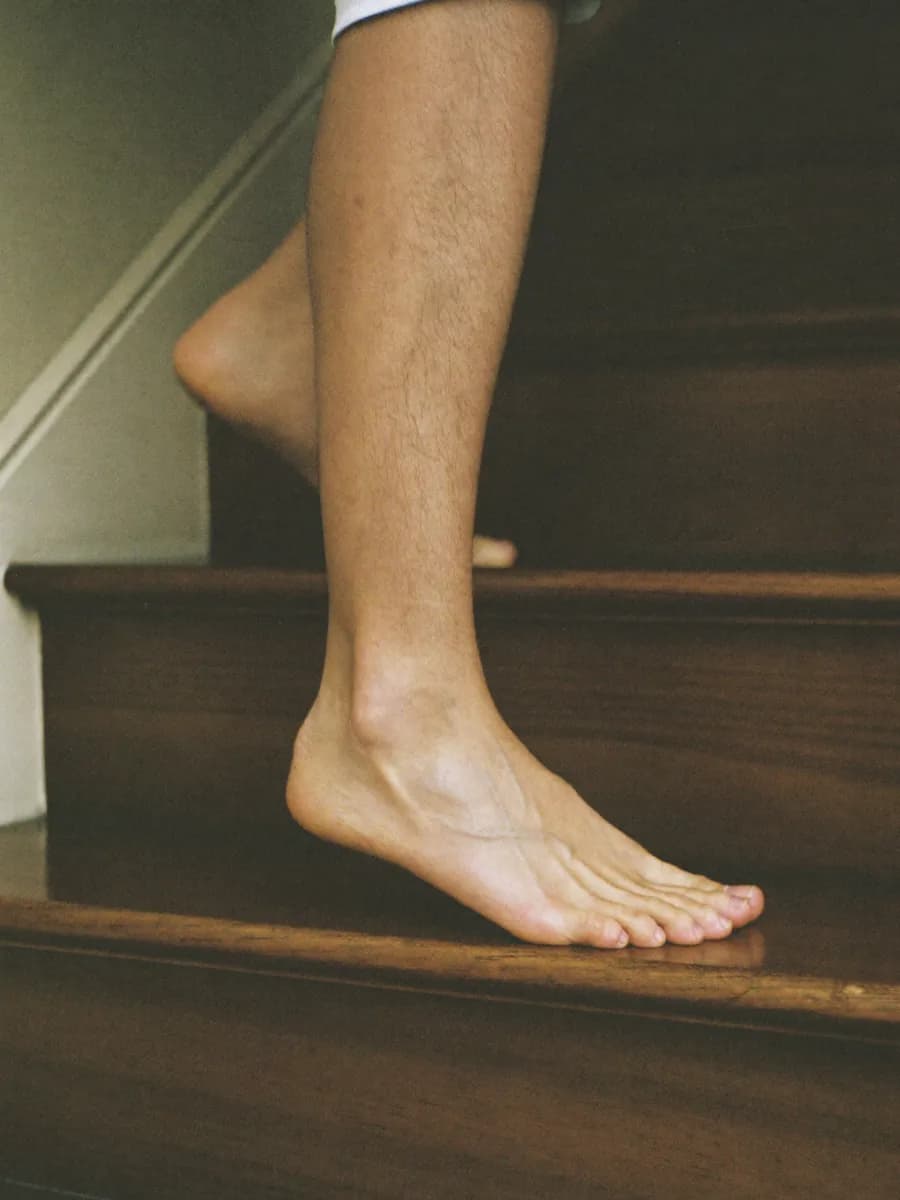
Understanding this condition
Like other tendon injuries, complete rest often provides only temporary relief — the tendon comes back weaker and the pain returns once normal activity resumes, because the underlying capacity was never rebuilt.
We assess tendon thickness and irritability, calf and ankle mobility, and your running or activity mechanics to identify exactly what’s overloading the tendon beyond its current capacity.
We combine soft tissue work to address tissue quality, progressive loading — heavy slow resistance and eccentric protocols in particular — to rebuild the tendon’s tolerance, and correction of the ankle and calf mechanics that overloaded it in the first place.
Achilles tendon injuries typically require eight to twelve weeks of consistent progressive loading, as this tendon in particular adapts slowly and needs a patient, well-sequenced approach.
The tendon that flares up under real demand is a tendon that was never brought back to full capacity. Our program is built to close that gap, not just quiet the pain until the next flare-up.
The Achilles is one of the strongest tendons in the body — it just needs to be trained back to that strength deliberately, not rushed or ignored.
Seek urgent or emergency care for a severe injury, a suspected fracture or dislocation, sudden weakness or numbness, loss of bladder or bowel control, fever with severe pain, or pain that is rapidly getting worse. Call 911 for an emergency.
Request an appointment online, or call (480) 788-3424 to speak with the office.
FAQ
Clear answers about visits, services, and what to expect from care at Complete Rehab QC.