Understanding This Condition
The actual problem is usually upstream: weak hip abductors and poor hip control that allow the knee to drift inward with every stride, increasing friction and tension where the IT band crosses the outside of the knee.
Conditions we treat in Queen Creek
IT band syndrome causes sharp or aching pain on the outside of the knee, typically triggered by repetitive activities like running or cycling.
It’s often treated as a simple case of a “tight IT band” that needs to be foam rolled — but the IT band itself is a thick, fibrous structure that doesn’t lengthen much no matter how much pressure is applied to it.
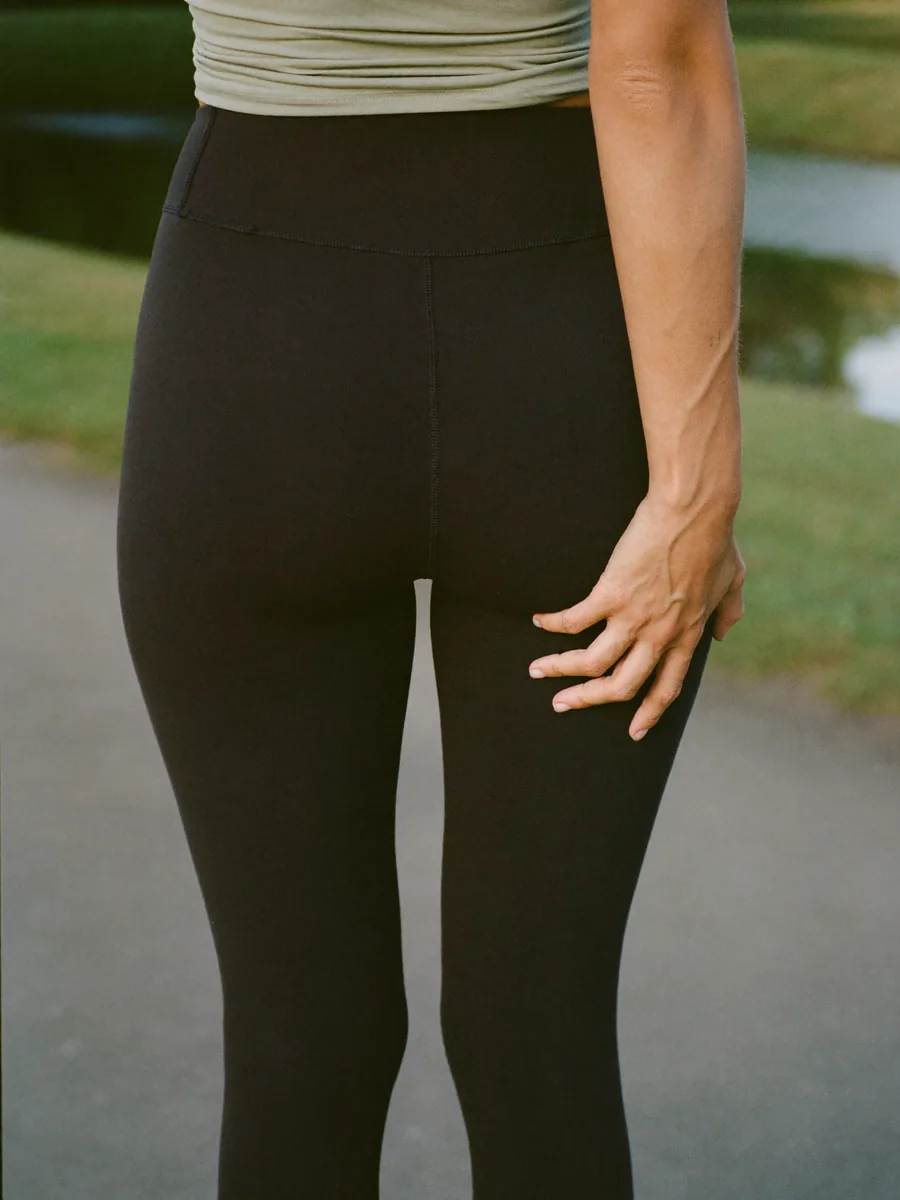
Understanding this condition
The actual problem is usually upstream: weak hip abductors and poor hip control that allow the knee to drift inward with every stride, increasing friction and tension where the IT band crosses the outside of the knee.
We assess hip strength and control specifically, along with your running or cycling mechanics, since the symptom location rarely matches the actual source of the problem in this condition.
Our approach addresses hip strength and control first, alongside soft tissue work to manage local irritation, and gradually reintroduces the loading and mileage that triggered the pain in the first place.
Most cases improve significantly within four to six weeks once hip strength and mechanics are addressed directly, though full return to prior training volume is typically staged gradually to avoid recurrence.
Rolling the IT band manages the symptom for a few minutes. Rebuilding hip control is what actually changes the mechanics that put it under tension to begin with.
IT band pain shows up at the knee, but it’s solved at the hip. That’s the piece most self-treatment approaches miss.
Seek urgent or emergency care for a severe injury, a suspected fracture or dislocation, sudden weakness or numbness, loss of bladder or bowel control, fever with severe pain, or pain that is rapidly getting worse. Call 911 for an emergency.
Request an appointment online, or call (480) 788-3424 to speak with the office.
FAQ
Clear answers about visits, services, and what to expect from care at Complete Rehab QC.